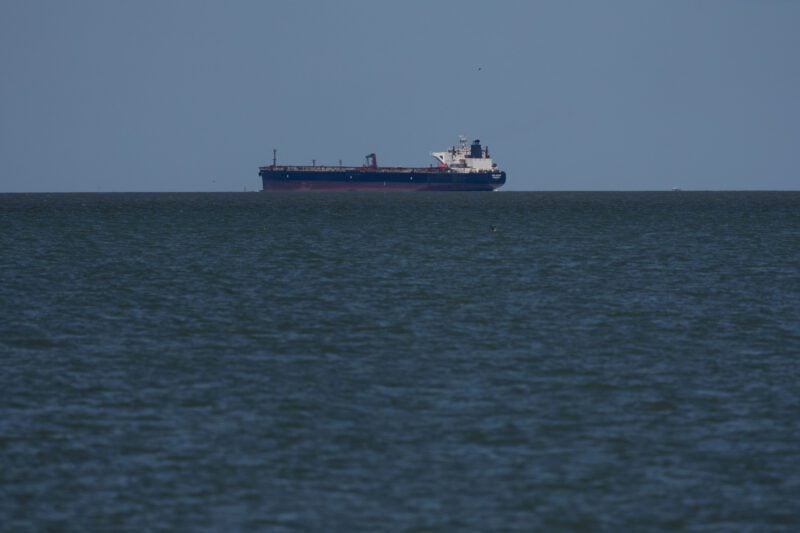
Middle Eastern oil shipments are proving resilient despite an increase in Iranian attacks on merchant vessels, with producers using tanker convoys and offshore cargo transfers to maintain deliveries. Figures reported by gCaptain show substantial volumes continuing to leave the region, although estimates vary widely and average flows for October so far remain below prewar levels.
Kpler estimated Persian Gulf crude and condensate flows at 24.6 million barrels a day in the week ending 18 October. Rival tracking company Vortexa put shipments for the same period at 18 million barrels a day. Both assessed pre-conflict flows at no less than 18.5 million barrels a day. Their October-to-date estimates were lower, at 16.7 million barrels a day for Kpler and 15.4 million for Vortexa, with the companies using different methods to compile regional totals.
The divergence underlines the difficulty of monitoring exports when most tankers are sailing without transmitting positioning signals. According to the report, restricted access to satellite imagery adds to those difficulties, and shipments can take several days to appear in the data, prompting upward revisions. Convoy movements and transfers to vessels waiting outside the Strait of Hormuz also concentrate deliveries into bursts rather than a steady flow.
Producers are maintaining shipments through a combination of routes and nationally owned fleets. Iraq is moving more oil through Hormuz, while Saudi Arabia is exporting from both its Persian Gulf and Red Sea coasts. Saudi production rose by a third in September to more than 8 million barrels a day. The UAE has lifted output to a record, according to International Energy Agency figures cited by gCaptain. The UAE, Saudi Arabia and Kuwait have used their own tankers to carry oil through Hormuz for transfer to customers’ vessels beyond the strait.
The security threat has nevertheless intensified. UK Maritime Trade Operations recorded 32 attacks around the Arabian peninsula during October so far, against 16 throughout September, with some engine-room strikes causing heavier damage. At least one container ship has sunk this month. Regional flows have also held up despite the loss of Iranian exports following a US blockade of its ports; both tracking companies estimated Iran shipped close to 2 million barrels a day in February.